
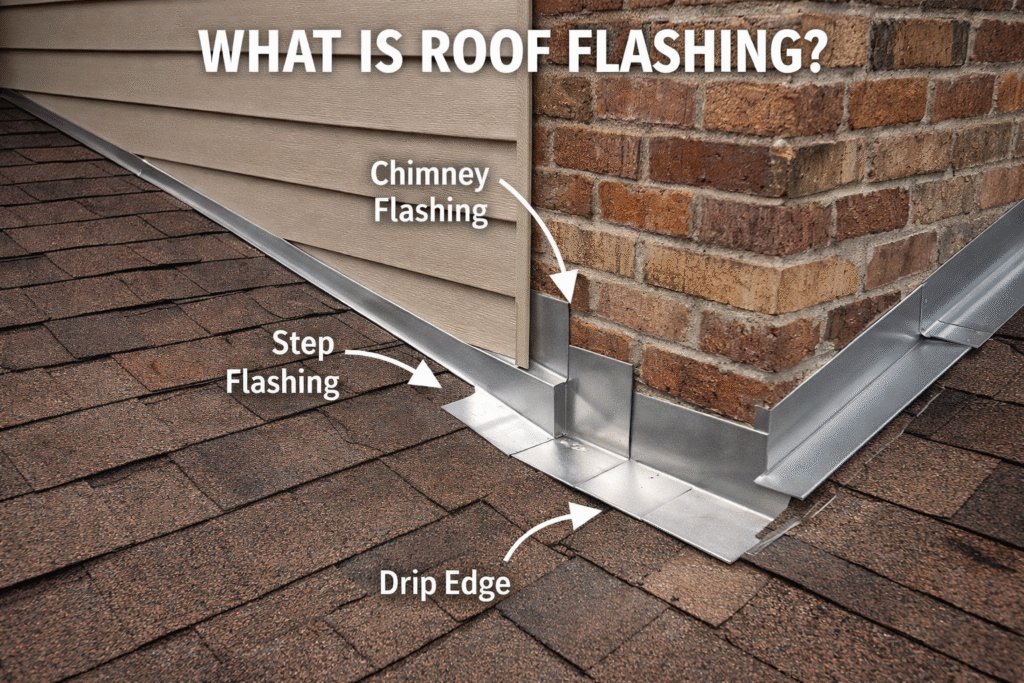
If you are asking what is roof flashing, you are already thinking like a smart homeowner. Roof flashing is one of the most important yet least understood parts of a roofing system. It is not decorative. It is not optional. Roof flashing is a protective component designed to keep water from entering your home at the most vulnerable points of the roof.
In simple terms, roof flashing is a thin material installed at joints, edges, and roof penetrations to direct water away from seams and openings. Without flashing, even the best roofing materials can fail. This guide explains what flashing on a roof is, where it goes, the different types of roof flashing, materials used, and installation basics so you can understand why it matters and when to call a professional.
What Is Flashing on a Roof Definition and Meaning
Roof flashing definition refers to a waterproof barrier placed where roof surfaces meet vertical walls or where objects pass through the roof. These areas include chimneys, vents, skylights, valleys, and where the roof meets siding.
So when people ask what is flashing in roofing or what is flashing on a roof, the answer is simple. Flashing seals the gaps that shingles or roofing panels cannot protect on their own. Roofing materials shed water downward, but flashing controls water movement sideways and downward at intersections.
In construction terms, flashing in construction is used anywhere two building materials meet and water intrusion is possible. On roofs, flashing is the final defense that prevents leaks, rot, mold, and structural damage.
Where Does Flashing Go on a Roof
One of the most common homeowner questions is where does flashing go on a roof. Flashing is installed anywhere water could collect, back up, or enter through a joint.
Common flashing locations include
Roof to wall intersections
Chimneys and masonry penetrations
Plumbing vent pipes
Skylights and roof windows
Roof valleys
Dormers and parapet walls
Gutters and roof edges
Balconies and flat roof transitions
If you are wondering what does flashing look like, it usually appears as metal strips, formed pieces, or membrane materials integrated between roofing layers. In many cases flashing is partially hidden under shingles or siding, which is why flashing failures are often missed until leaks appear.
Types of Roof Flashing Explained


Understanding the types of roof flashing helps explain how roofs stay watertight. Each flashing type serves a specific purpose.
Step Flashing
Step flashing is used where a roof meets a vertical wall, especially on shingle roofs. Small metal pieces are layered with each shingle course so water flows safely down the roof. Step flashing installation is critical for preventing wall leaks.
Counter Flashing
Counter flashing is installed over step flashing, commonly on chimneys or masonry walls. It protects the top edge of step flashing and is often embedded into brick or stone. When comparing step flashing vs counter flashing, they work together, not as replacements.
Apron Flashing
Apron flashing is installed at the bottom of roof to wall intersections, such as where a chimney meets the roof on the downslope side.
Headwall and Sidewall Flashing
Headwall flashing is used where the roof meets a vertical wall at the top. Sidewall flashing is used along the sides. Both manage water that runs toward walls.
Kickout Flashing
Kickout flashing directs water from roof edges into gutters instead of behind siding. Improper or missing kickout flashing is a common cause of siding and wall rot.
Chimney Flashing
Chimney flashing includes step flashing, counter flashing, and apron flashing combined into a complete system. Proper chimney flashing is essential for leak prevention.
Valley Flashing
Roof valley flashing protects the channel where two roof slopes meet. Valleys handle large volumes of water and require precise installation.
Roof Penetration Flashing
This includes plumbing vent flashings, boot flashing, skylight flashing, and flashing for roof equipment.
Roof Flashing Materials and Options


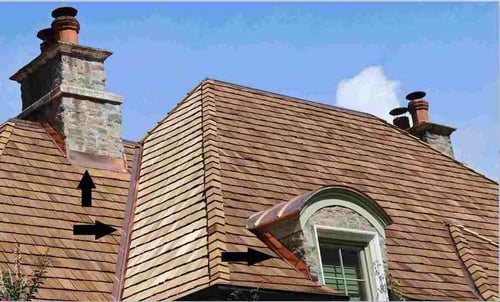
Choosing the right roof flashing material affects durability and lifespan.
Metal Flashing
Metal flashing is the most common option.
Galvanized steel roof flashing is affordable and durable
Aluminum flashing sheets are lightweight and corrosion resistant
Copper flashing on roof applications offers exceptional longevity
Lead flashing is flexible and often used around chimneys
Membrane and Specialty Flashing
Rubber flashing for roof penetrations is common for vent pipes
PVC flashing is used in some flat roofing systems
PMMA liquid flashing creates seamless waterproofing at complex details
Flashing tape is often used as a supplemental seal but should not replace metal flashing
When comparing flashing tape vs metal flashing, tape supports waterproofing but metal provides structural water control.

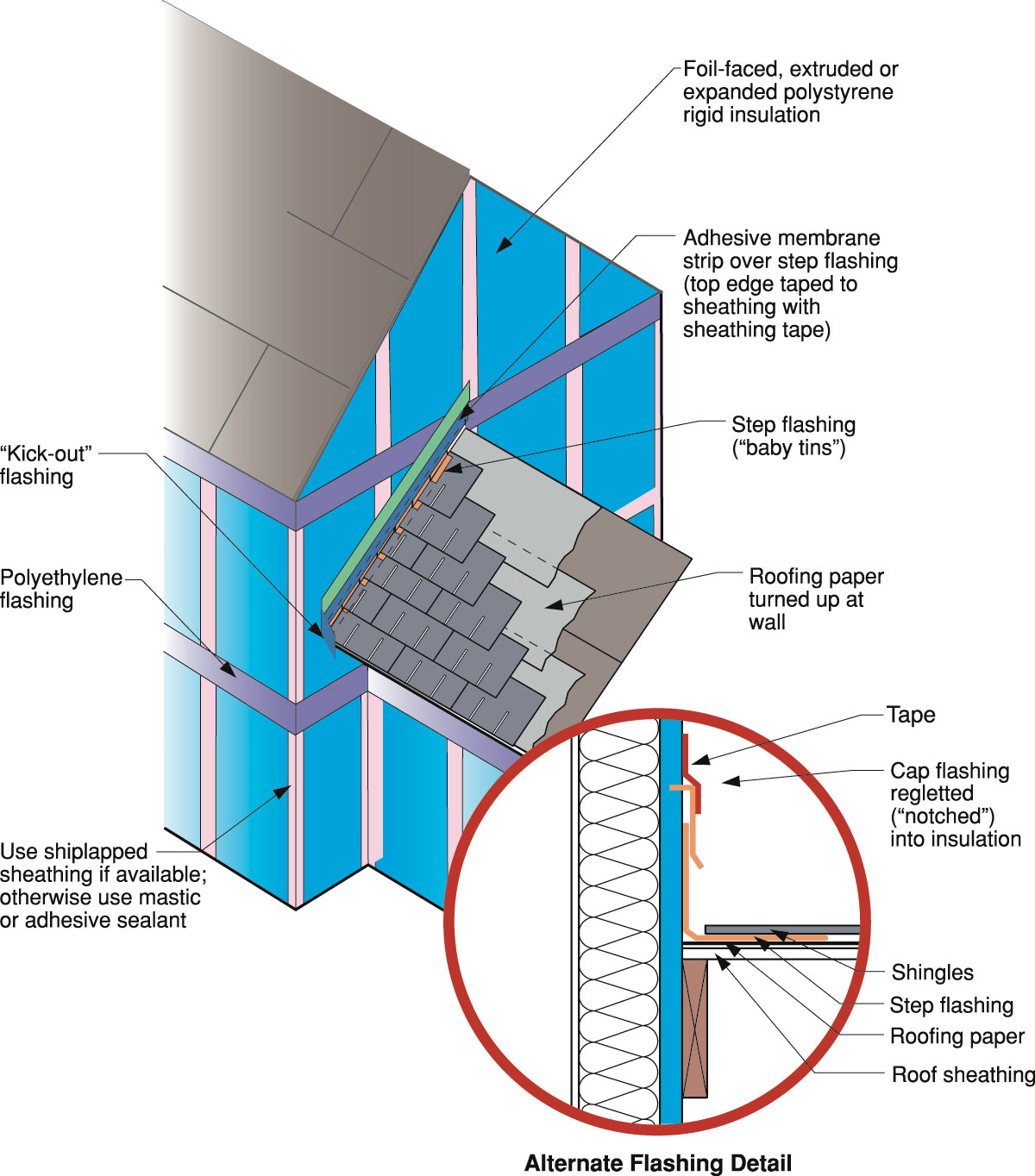
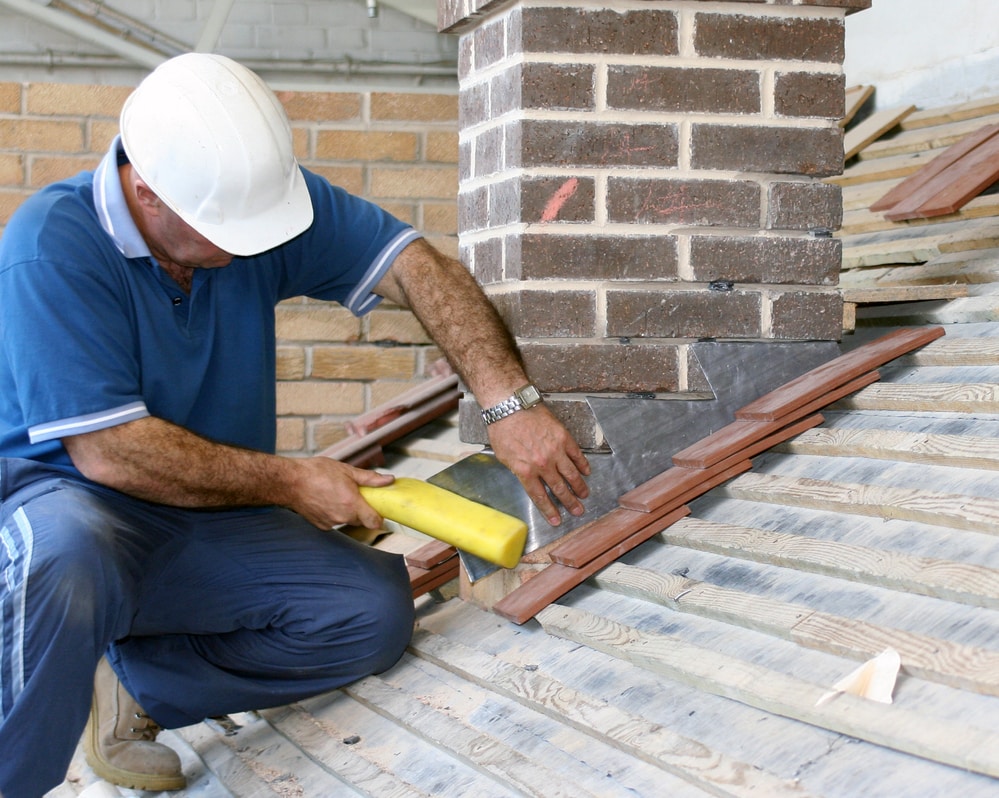
Many homeowners search how to install roof flashing, but flashing installation requires precision and experience. Improper installation is worse than no flashing at all.
General Installation Principles
Flashing must overlap in the direction of water flow
Flashing is layered with roofing materials not placed on top
Fasteners must be placed correctly to avoid water paths
Sealants are secondary not primary waterproofing
Sealing and Caulking
Roof flashing caulking should only support flashing, not replace it. The best caulk for roof flashing is high quality roofing sealant compatible with metal and roofing materials.
Roof to Wall Flashing
Flashing where roof meets wall must extend behind siding or cladding. Incorrect flashing where siding meets roof is a major cause of hidden water damage.
Metal Roof Flashing Considerations
Metal roofing requires its own flashing approach. Metal roof flashing is often custom formed to match panel profiles.
Metal roof to wall flashing detail is critical
Metal roof chimney flashing must allow movement
Corrugated metal roof flashing requires shaped closures
Shingle to metal roof transition flashing prevents leaks at roof changes
Flashing a metal roof incorrectly often leads to fastener leaks and premature failure.
Shingle Roof Flashing Basics
For shingle systems, step flashing for shingles is one of the most important components. Each shingle course must interlock with flashing. Many leaks occur when installers rely on sealant instead of proper step flashing shingles installation.
Chimney Flashing High Risk Area
Chimneys are responsible for a large percentage of roof leaks. Roofing chimney flashing must accommodate thermal movement between masonry and roofing.
Proper chimney flashing includes
Apron flashing at the front
Step flashing along the sides
Counter flashing embedded in masonry
If you are searching how to replace flashing around a chimney, it is usually best handled by professionals to avoid damaging masonry or roofing materials.
Roof Flashing Repair Replacement and Inspection

Over time flashing can corrode, crack, loosen, or separate. Roof flashing repair may involve resealing or partial replacement. In many cases, roof flashing replacement is the safest option.
Signs you may need flashing repair
Water stains near walls or ceilings
Leaks around chimneys or vents
Loose or missing flashing pieces
Rust or corrosion on metal flashing
Regular roof flashing inspection helps catch problems early and reduce repair costs.
Cost to Install Roof Flashing
The cost to install flashing on roof depends on roof type, material, and complexity. Flashing installation during roof replacement is more cost effective than retrofitting later.
DIY costs may seem lower, but improper flashing often leads to expensive interior repairs. Professional installation ensures long term protection.
Final Thoughts and Professional Help
Understanding what is roof flashing helps you protect your home from water damage, mold, and structural decay. Flashing may be hidden, but it is one of the most critical components of a roofing system. From metal flashing to chimney flashing and roof to wall flashing, proper design and installation make the difference between a roof that lasts and one that leaks.
If you suspect flashing issues or are planning a new roof, it is best to consult experienced roofing professionals who understand complex waterproofing details.
Need Expert Help With Roof Flashing
If you want reliable flashing installation, repair, or inspection, Contact The Ever Roof team today for professional roofing solutions designed to protect your home long term.